Bright sunlight glints as long dark shadows mark this image of the surface of the Moon. It was taken on July 20, 1969, by Apollo 11 astronaut Neil Armstrong, the first to walk on the lunar surface. Pictured is the mission's lunar module, the Eagle, and spacesuited lunar module pilot Buzz Aldrin. Aldrin is unfurling a long sheet of foil also known as the Solar Wind Composition Experiment. Exposed facing the Sun, the foil trapped particles streaming outward in the solar wind, catching a sample of material from the Sun itself. Along with 22 kilograms of moon rocks and lunar soil samples, the solar wind collector was returned for analysis in earthbound laboratories. APOD's main NASA site is moving: From apod.nasa.gov to science.nasa.gov/apod
Estos días hemos tenido problemas con el proveedor de internet, por eso la página web permaneció ina...
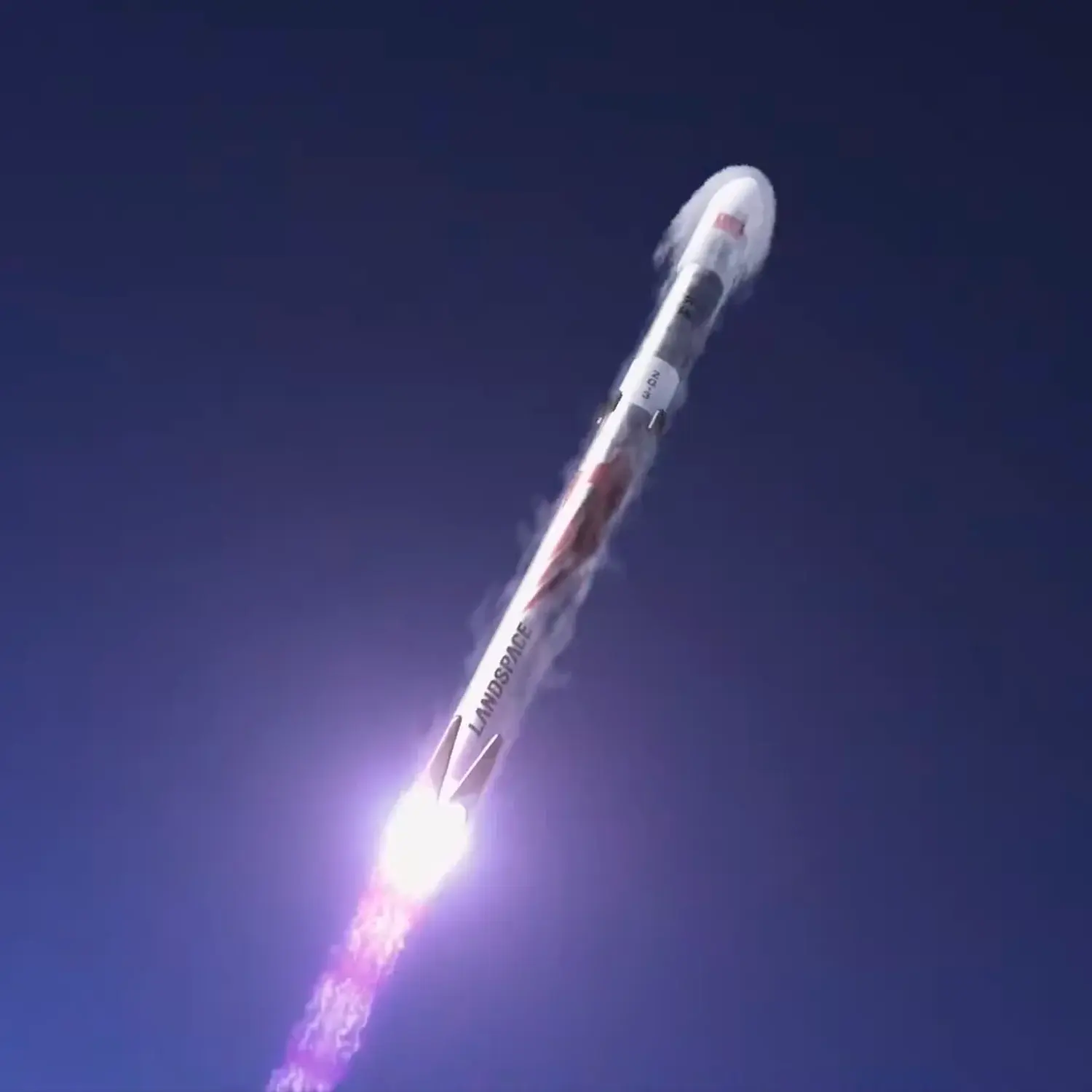
La empresa china LandSpace ha alcanzado un importante hito al completar con éxito una prueba de ence...
En un movimiento histórico, las gigantes europeas Airbus, Leonardo y Thales han anunciado la creac...
Australian Earth observation satellite company LatConnect 60 (LC60) has strengthened its position in India with two strategic agreements announced at the Bengaluru Space Expo 2026 on September 7th, spanning satellite […] The post LatConnect 60 Expands India Market Presence for SWIRSAT With NSIL Agreement and GeoSyze Partnership appeared first on SpaceNews.
Leuven, Belgium & Halifax, Canada – 3 September 2026 – European optical payload provider Simera Sense today announced that Canadian space technology company Galaxia has acquired a HyperScape100 hyperspectral imaging […] The post Galaxia Takes Next Step in Earth Observation with purchase of Simera Sense Hyperspectral Imager appeared first on SpaceNews.
DURANGO, Colo. — Sept. 2, 2026 — Agile Space Industries celebrated the completion of a 20,500-square-foot expansion of its Durango headquarters with a ribbon-cutting ceremony on August 26, joined by […] The post Agile Space Industries Celebrates Durango Headquarters Expansion with Ribbon Cutting appeared first on SpaceNews.
August 31, 2026— Washington, D.C.—The Commercial Space Federation (CSF) is pleased to welcome Outlier and Rendezvous Robotics as its newest Associate Members, bringing expertise in reusable satellite platforms and adaptable […] The post Commercial Space Federation (CSF) Welcomes Two New Associate Members appeared first on SpaceNews.
I have spent much of my career looking at the defense industrial base from different vantage points: as a warfighter, inside major defense companies, and now leading a company whose […] The post Speed to Field Starts Below the Prime appeared first on SpaceNews.