A new telescope has been launched into space to study the universe. The Nancy Grace Roman Space Telescope (RST) has the same size main mirror as the Hubble Space Telescope (HST) but sees 100 times more sky during each snapshot. This is possible because when compared to HST, RST's main mirror is more curved, its secondary mirror is closer, and its main camera is larger. The result is that RST can inspect more of the sky more quickly, likely allowing, among other capabilities, the discovery of many more supernovas which tell us more about the expansion rate and composition of our universe, and many more planets orbiting other stars that tell us more about the possibilities for life elsewhere in the universe. RST will orbit the Sun, not the Earth, like the James Webb Space Telescope. The featured video shows Roman being launched yesterday from Kennedy Space Center, Florida, USA aboard a SpaceX Falcon Heavy rocket. APOD's main NASA site is moving: From apod.nasa.gov to science.nasa.gov/apod
Estos días hemos tenido problemas con el proveedor de internet, por eso la página web permaneció ina...
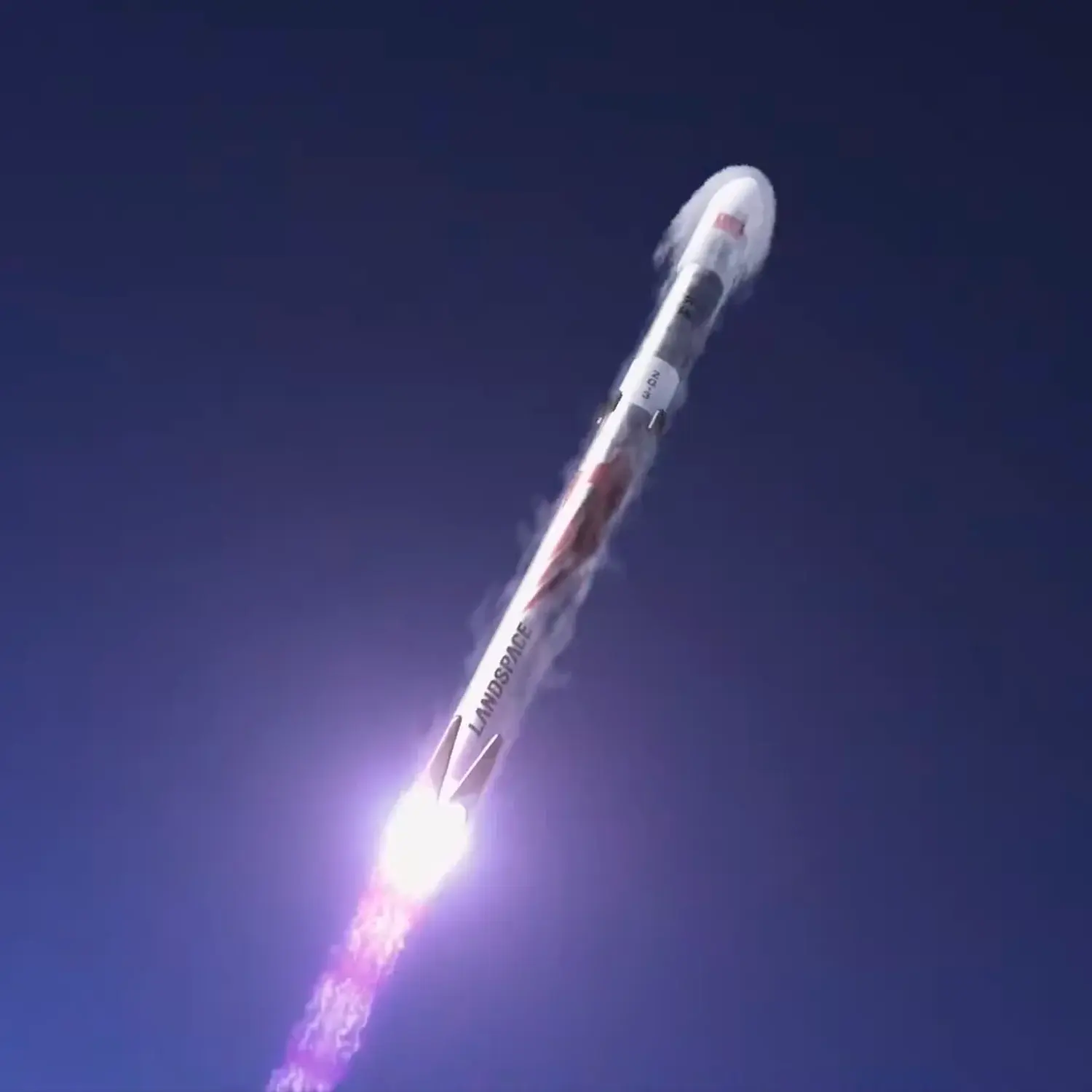
La empresa china LandSpace ha alcanzado un importante hito al completar con éxito una prueba de ence...
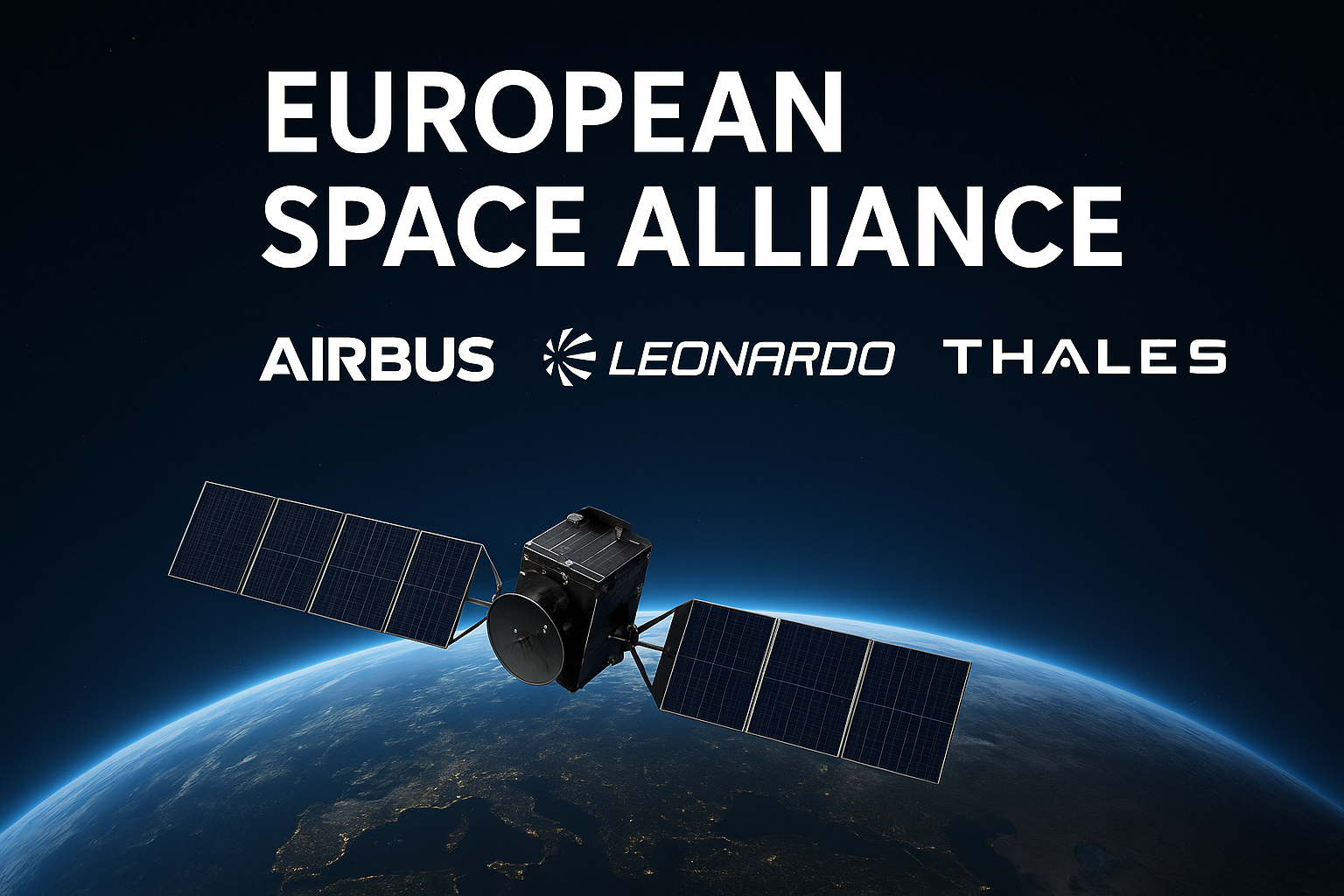
En un movimiento histórico, las gigantes europeas Airbus, Leonardo y Thales han anunciado la creac...
East Aurora, NY — Moog Inc. (NYSE: MOG.A and MOG.B), a worldwide designer, manufacturer and systems integrator of high-performance precision motion and fluid controls and control systems announces a new, […] The post Moog Inc. Expands METEORITE Satellite Bus Capacity for High-Maneuverability Missions appeared first on SpaceNews.
Rochester, NY – August 18, 2026 – Eoptic, Inc., a developer of advanced multi-spectral and multi-modal imaging systems, today announced it has been selected as an approved supplier in support of strategic […] The post Eoptic, Inc. Selected to Supply DeepScan™ Imaging Payloads Scheduled for Launch in 2027 appeared first on SpaceNews.